Built for sites that never really stop
Large floors, long hours and constant foot traffic. These are the places robots earn their keep.
Warehouses and distribution centres
Keep aisles and docks clean between shifts and move goods between zones without tying up staff.
Supermarkets
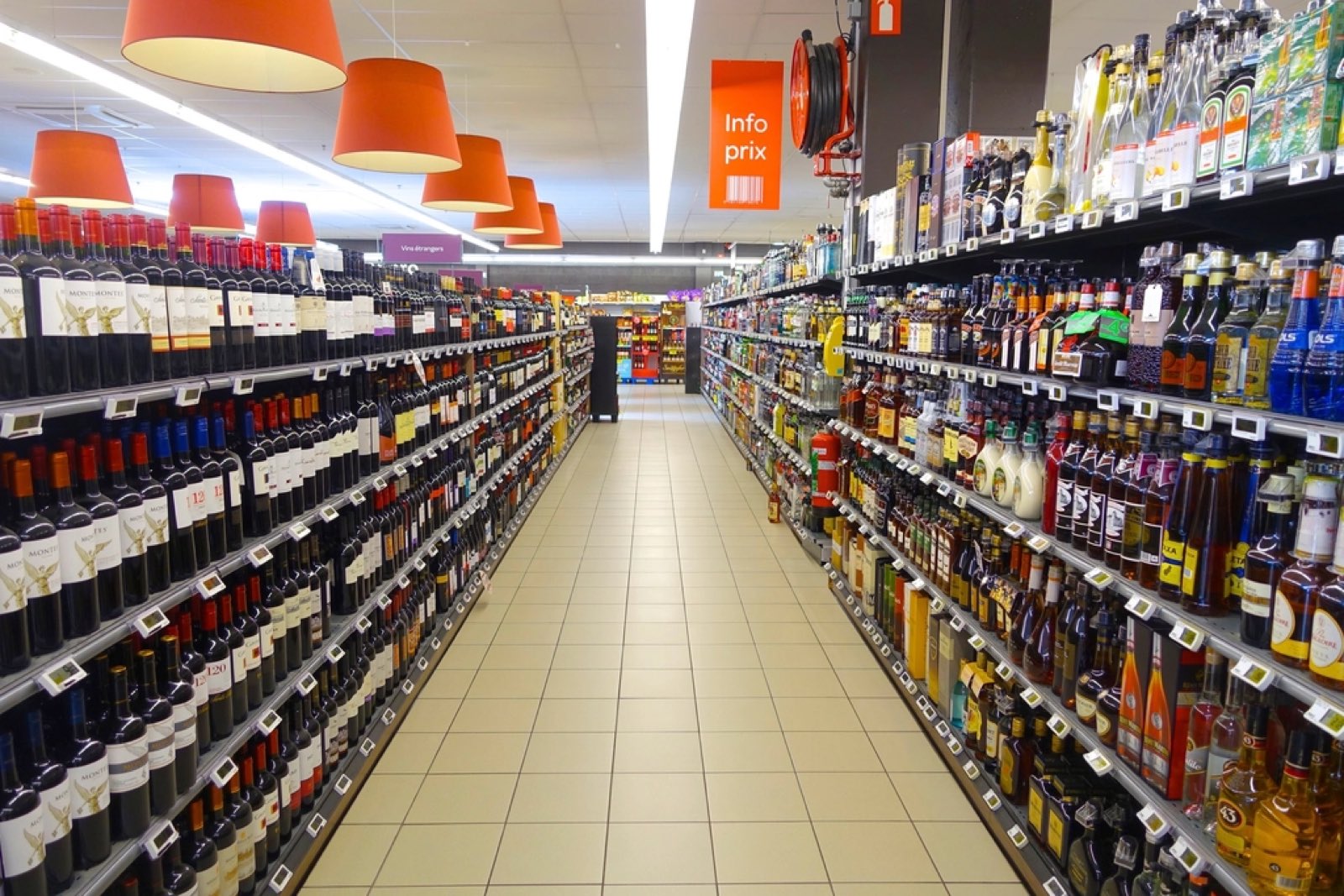
Scrub and vacuum wide aisles before opening or overnight, with the floor ready when the doors open.
Chain stores
A consistent clean across every location, run on a schedule so store teams can focus on customers.
Service stations
Keep shop floors and forecourt stores tidy around the clock, including through quiet night hours.
Airports
Terminals, concourses and gate lounges cleaned continuously in public areas, around passengers.
Large commercial floors
Shopping centres, factories, showrooms and car parks. If the floor is big, it's worth a conversation.

The robots
We start with your floor, your routes and your hours, then recommend the robots that fit. Here's what we work with.
-
01 · CLEANING
Cleaning robots
Autonomous floor scrubbers, sweepers and vacuums that map your site and clean it on a schedule.
- Hard floors and carpet
- Overnight or during trade
- Slow and stop around people
-
02 · TRANSPORT
Transport robots
Mobile robots that carry totes, cartons and supplies between points, so staff stop walking the same routes.
- Goods between zones and docks
- Work alongside people
- Routes change as your layout does
-
03 · ARMS
Robotic arms
Collaborative arms for repetitive picking, packing and handling tasks at a fixed station.
- Pick, place and pack
- Designed to work near staff
- Redeploy to new tasks
How it works
No obligation. Start with a conversation about your site.
Tell us about your site
Use the form below. A few details about the floor, the hours and the job are plenty.
Talk to a specialist
A robotics specialist gets in touch to understand what you need.
Get a recommendation
We suggest the robots that suit your floor, your routes and your budget.
Setup and support
Mapping, staff training and ongoing support once your robots are running.
Tell us about your site
Share a few details and a robotics specialist will get in touch to talk through the right robots for your floor.
Common questions
Can cleaning robots work while customers are in the store?
Yes. Commercial cleaning robots are designed for public spaces. They slow down and stop for people, and many sites run them during trade as well as overnight.
Do robots replace cleaning or warehouse staff?
Most businesses use robots for the repetitive runs, like the same floor every night or the same route every hour, so staff can focus on the work that needs a person.
Will a robot suit our layout?
It depends on your floors, aisle widths, doors and Wi-Fi. Tell us about your site and a specialist will talk it through with you.
Where do you supply robots?
Across Australia and New Zealand.